The Science of Clean Indoor Air
Understanding how plants naturally transform your indoor environment for better health and well-being.
How Plants Remove Pollutants
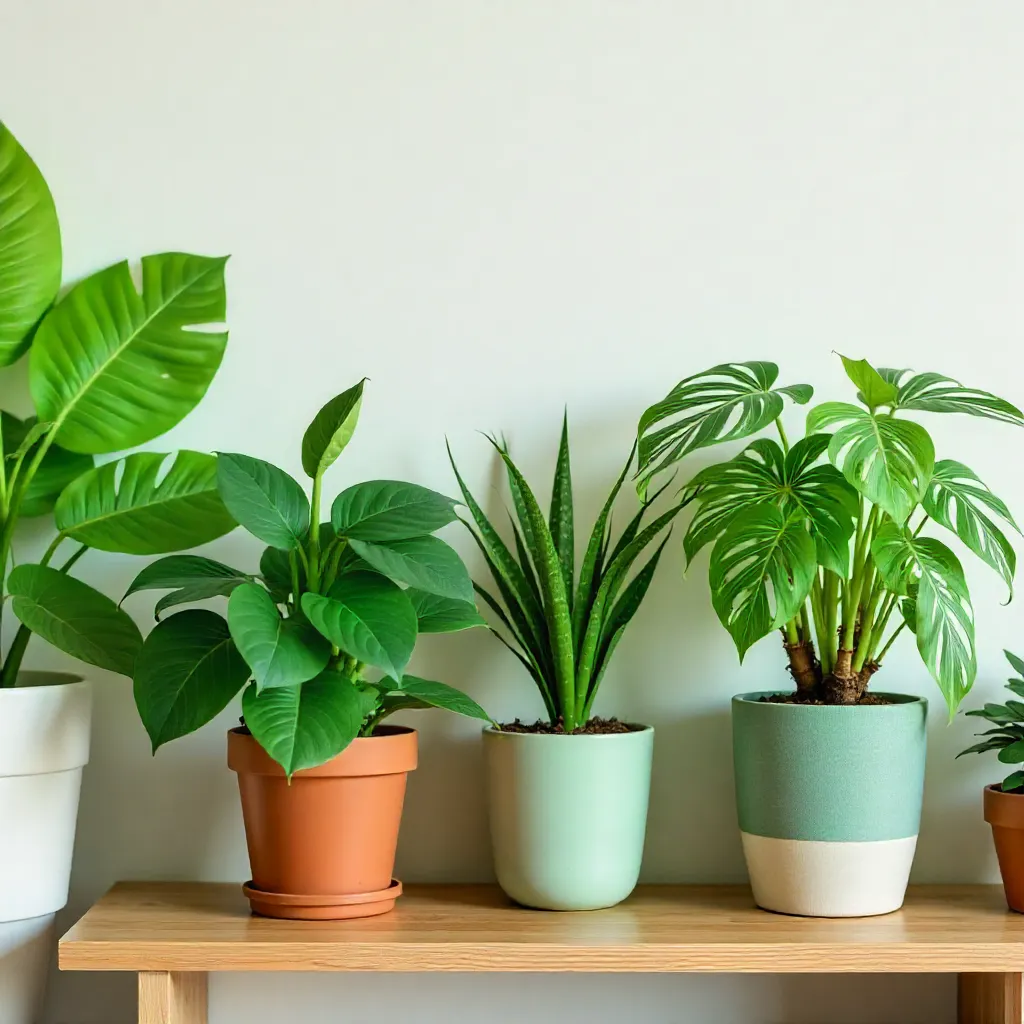
Natural Filtration Process
Plants absorb harmful pollutants through tiny openings in their leaves called stomata. These pollutants are then transported to the roots where soil microorganisms break them down into harmless compounds.
The process works through three main mechanisms: absorption through leaves, root zone filtration, and microbial breakdown in the soil.
Key Pollutants Removed
Common in furniture, carpets, and cleaning products. Plants can reduce levels by up to 90%.
Found in paints, detergents, and tobacco smoke. Effective removal through plant filtration.
Present in adhesives and solvents. Plants help eliminate this harmful compound.
Common in cleaning products. Certain plants are particularly effective at removing ammonia.
NASA Clean Air Study
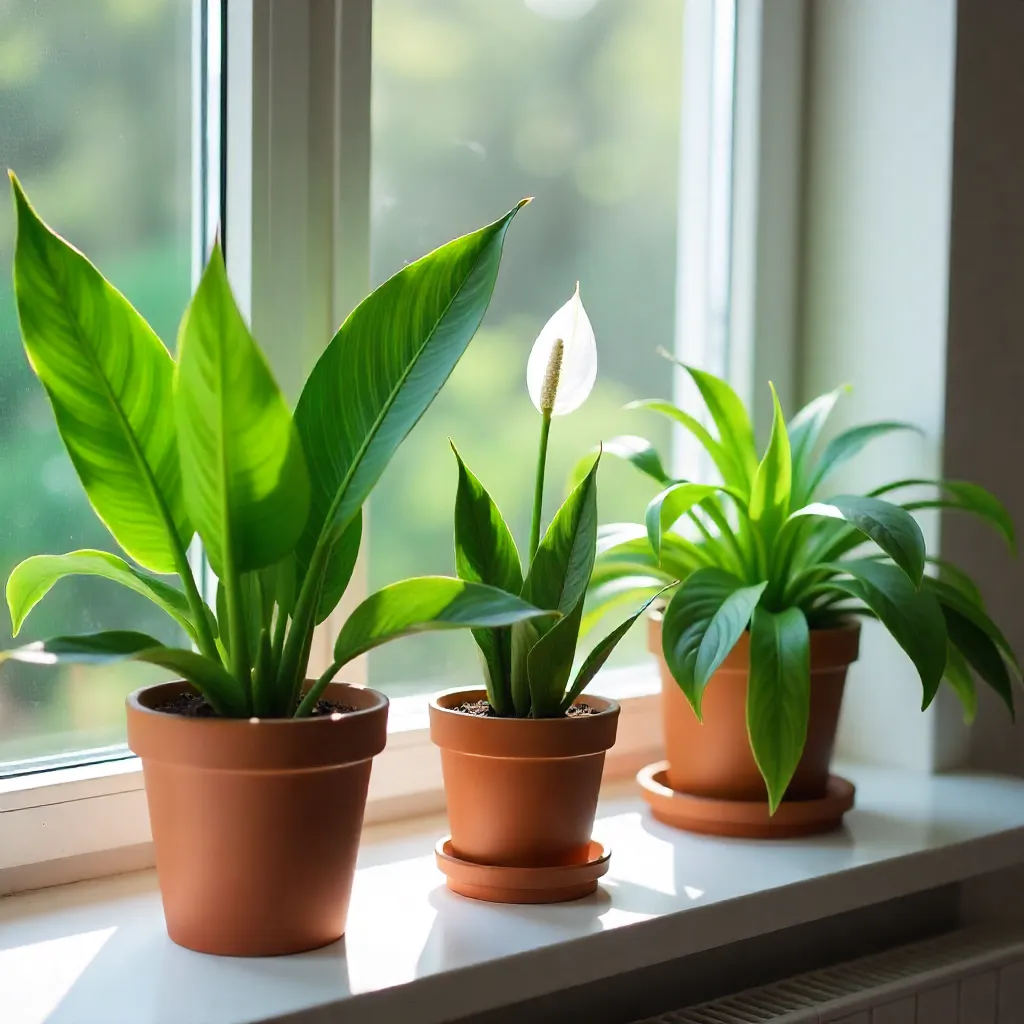
Groundbreaking Research
In the late 1980s, NASA conducted a comprehensive study to find ways to purify air in space stations. The research identified specific plants that are highly effective at removing common indoor air pollutants.
The study found that certain plants can remove up to 87% of air toxins within 24 hours. This research has been foundational in understanding how plants can improve indoor air quality in homes and offices.
Key Findings:
- Plants remove volatile organic compounds (VOCs) from the air
- Root zone microorganisms play a crucial role in pollutant breakdown
- Leaf surface area correlates with air-cleaning effectiveness
- Multiple plants working together create a more effective air purification system
Effects on Mood, Sleep, and Concentration
Improved Mood
Studies show that being around plants can reduce stress levels and improve overall mood. The presence of greenery creates a calming, natural environment that promotes emotional well-being.
Research indicates that people in plant-filled spaces report feeling more relaxed and positive compared to those in spaces without plants.
Better Sleep
Certain plants release oxygen at night, which can improve air quality in bedrooms. Cleaner air and increased oxygen levels contribute to more restful sleep.
Plants also help maintain optimal humidity levels, which is important for comfortable sleep and respiratory health.
Enhanced Concentration
Cleaner air means better cognitive function. Reduced levels of pollutants and increased oxygen can lead to improved focus, memory, and productivity.
Studies have found that students and workers in plant-filled environments show improved attention spans and task performance.
Indoor Microclimate Importance
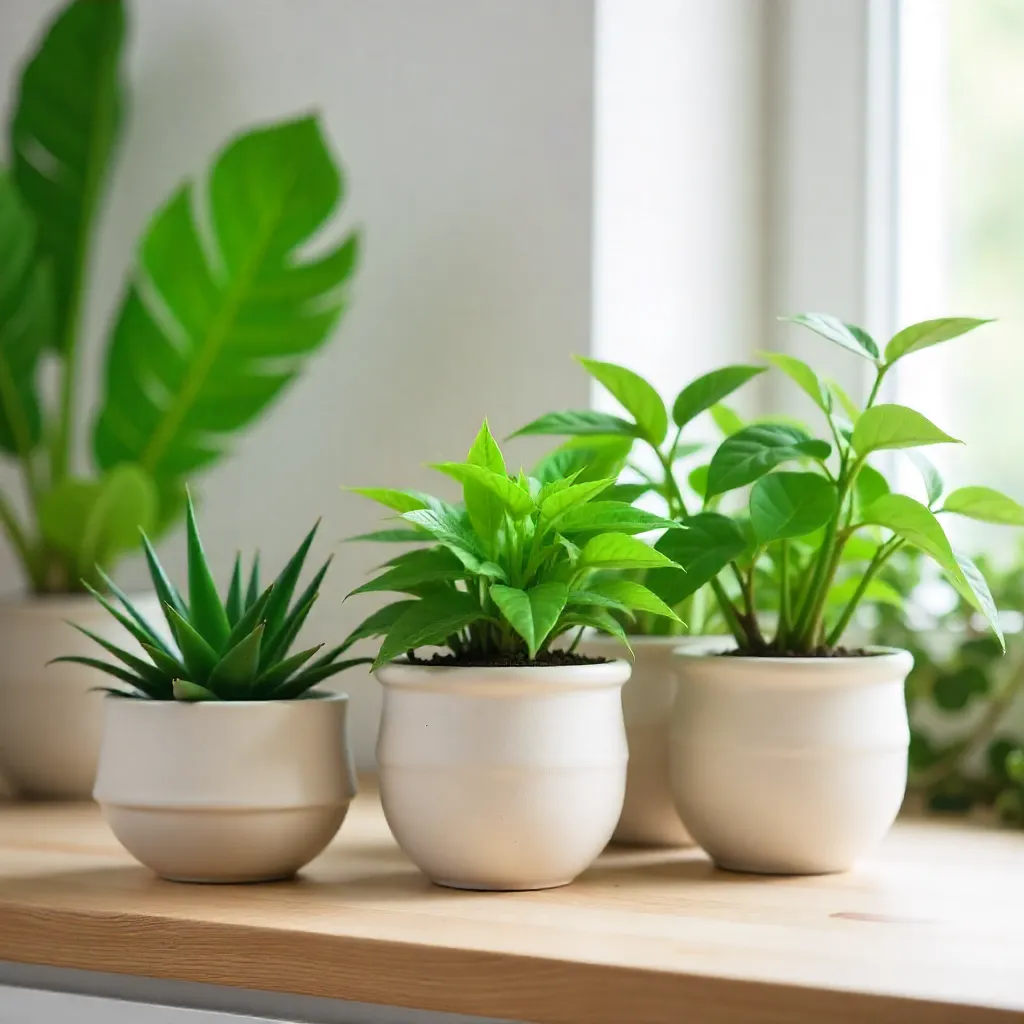
Creating Healthy Indoor Environments
Modern apartments often have limited ventilation and can trap pollutants indoors. Plants help create a healthier microclimate by naturally filtering the air and maintaining balanced humidity levels.
Air Health Zones
Different areas of your home benefit from different types of plants:
Plants that release oxygen at night, such as snake plants and aloe vera, are ideal for bedrooms.
Larger plants like rubber trees and peace lilies work well in common areas where family gathers.
Low-maintenance plants that thrive in various light conditions are perfect for workspaces.
Recommended Plant Combinations

Starter Combination
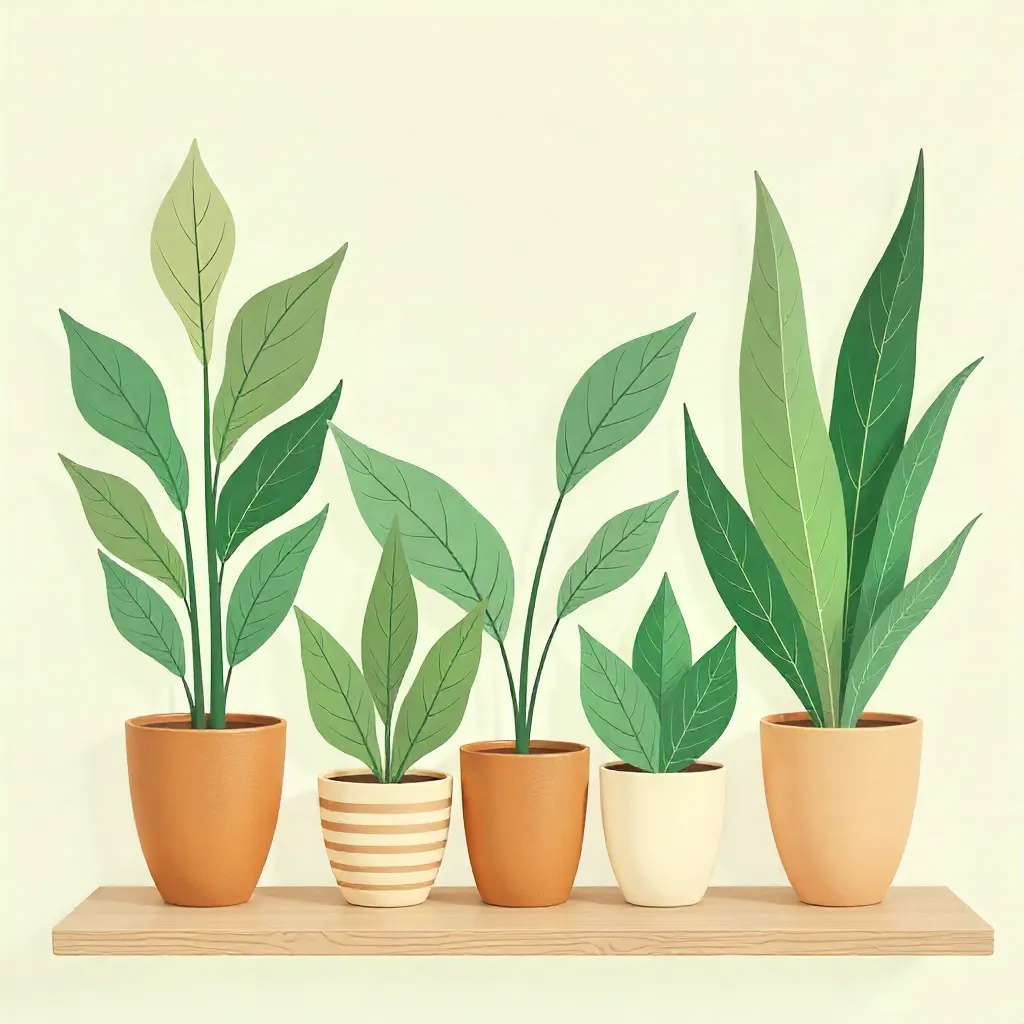
Snake Plant + Spider Plant + Peace Lily. This trio provides comprehensive air purification, covering different pollutants and light requirements.
Advanced Combination
Rubber Tree + Boston Fern + Aloe Vera. For those ready to care for more diverse plants, this combination offers maximum air-cleaning power.

Pet-Safe Combination
Spider Plant + Boston Fern + Snake Plant. All pet-friendly options that work together to create a safe, clean-air environment.
Start Your Air Quality Journey
Ready to transform your indoor air quality? Explore our plant directory to find the perfect plants for your space and needs.